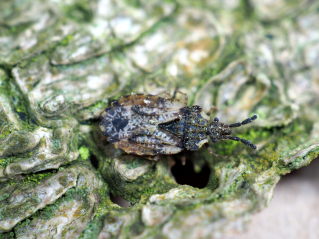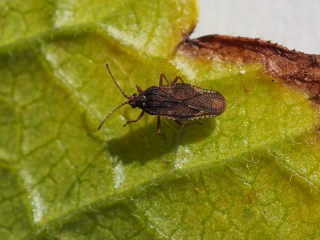
Another Lacebug.

There is an old hawthorn hedgerow beyond the blast shelter in the quarry and it is covered with lichen. I will happily leave identification of lichen to others, but there is a rather beautiful insect that lives in lichen growing on old hawthorn. It is one of the Lacebugs but is much darker than the frequently seen spear-thistle lacebug, it is a very narrow species and is only 3mm long … but is definitely worth seeking out. If you should find it, you will be looking at Physatocheila dumetorum.


2le54jq

A Positive Item About Ragwort

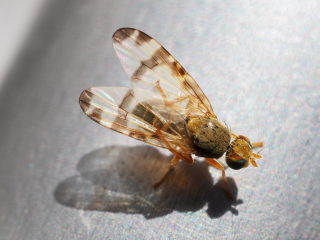
Ragwort gets a lot of bad publicity, and a lot of time and expense is dedicated to its control. There is no doubt that it can pose a threat to livestock if it is incorporated into hay as the wilting process makes some nasty alkaloids available in livestock feed, but there is also a positive side to Ragwort that garners fewer news reports. Many people have seen the yellow and black striped caterpillars of the Cinnabar moth feeding on Ragwort, but how many have seen the Ragwort Fly Sphenella marginata? It is one of the tephritid flies, a type of picture-winged fly, and its larvae form galls on Ragwort. Other species of tephritid fly have been seen regularly on thistle in the quarry and other areas of the Country Park, but this is the first time the Ragwort Fly has been found here. It is heartening to think that the ever-present Ragwort is helping to increase biodiversity in the Country Park.

Sphenella marginata

A Very Unusual Wasp

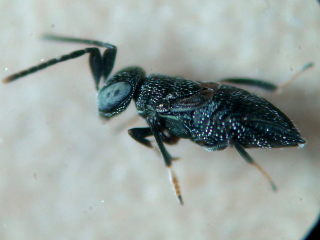
A look through the Rush flowering in the seasonal pond of the quarry produced an unexpected result recently. A flightless species of parasitic wasp, less than 2mm long, that moves around by jumping. It parasitises scale insects and other very small bugs. Close inspection showed it to be a metallic blue/black colour, and very difficult to see. Its antennae have a distinctive flattened section that fits into a groove atop its head if needs be. In some cases a single egg of this family of parasitoids can give rise to several thousand larvae, and the egg retains a stalk that protrudes from its host to allow air to the young larva. There are very few records of this native species, and this is a first for the Country Park.

Dinocarsis hemiptera

The sound of leather on willow?

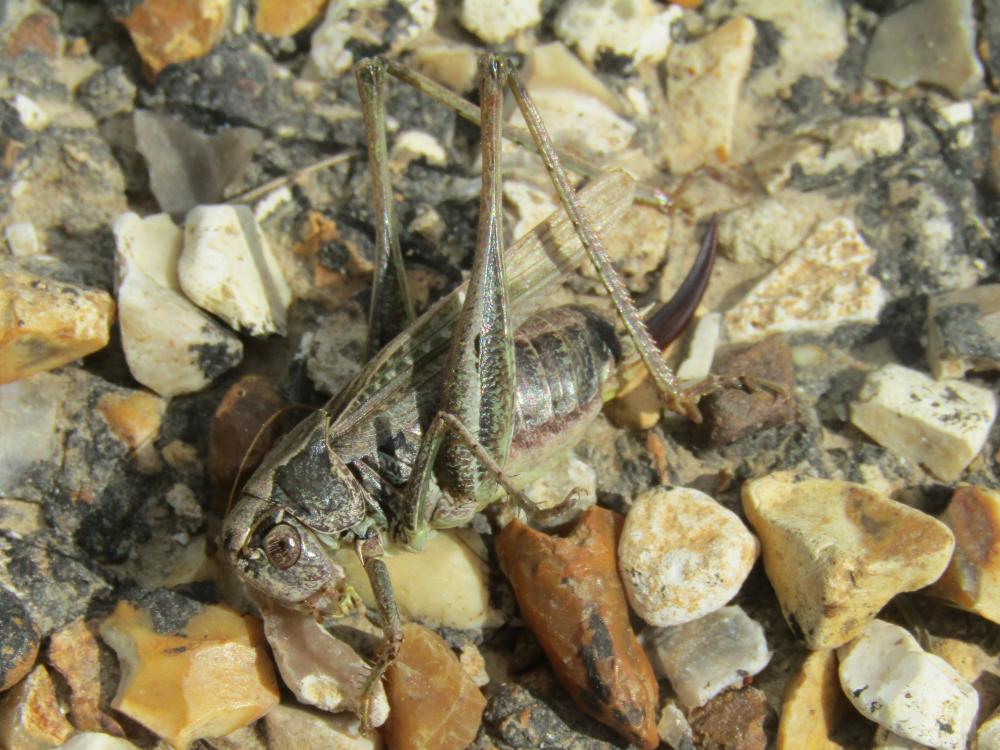
In a word, no but it is cricket. Having been seeing masses of Field Grasshoppers on the Firehills this year, I was beginning to wonder if I would ever see anything else when yesterday when this Grey Bush-cricket just jumped onto the access for all trail right in front of me. Not an easy one to identify but have submitted the record and had it verified. The species is said to be scarce, so a good record for the Country Park and is restricted to coastal areas on the south coast and some parts of Wales. This one is a female as can be seen by the upwards curved ovipositor behind the abdomen.

Access for all? Yes

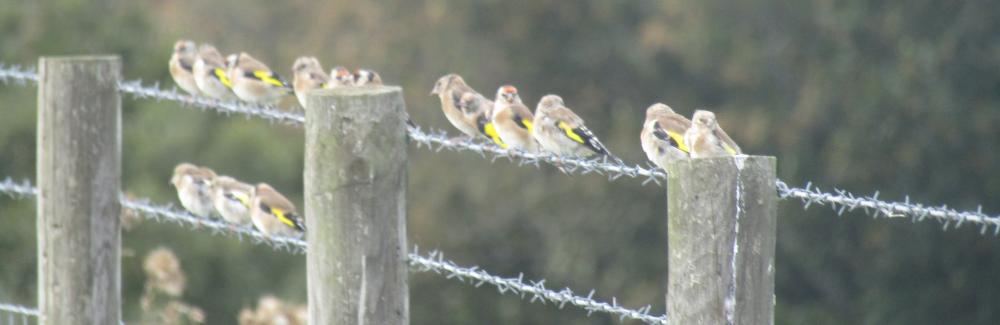
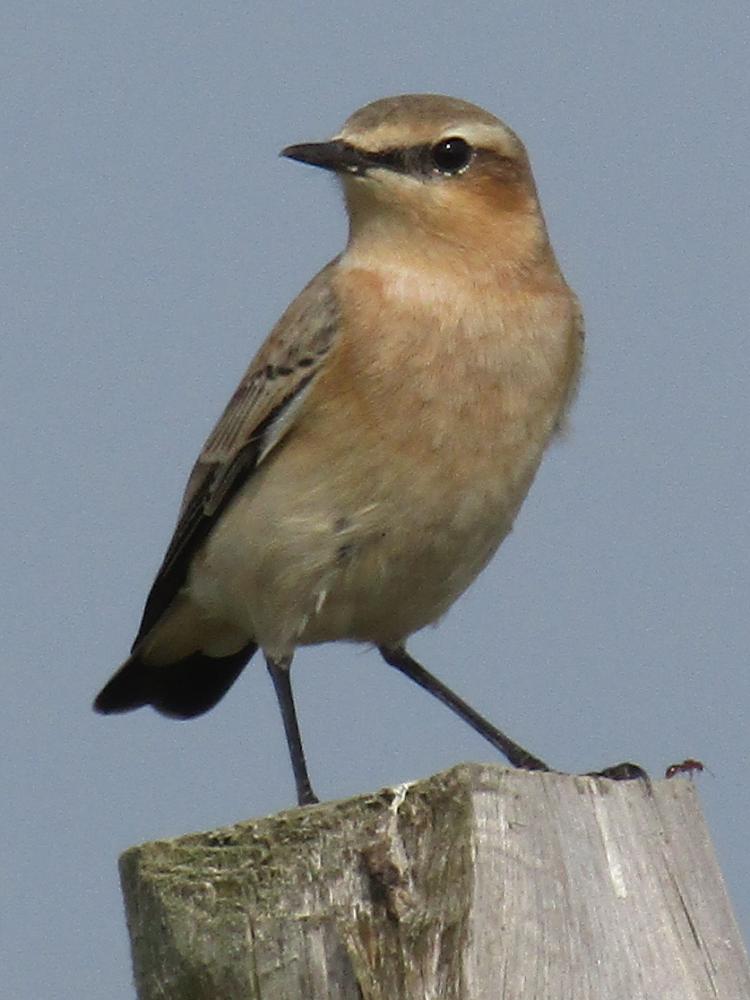
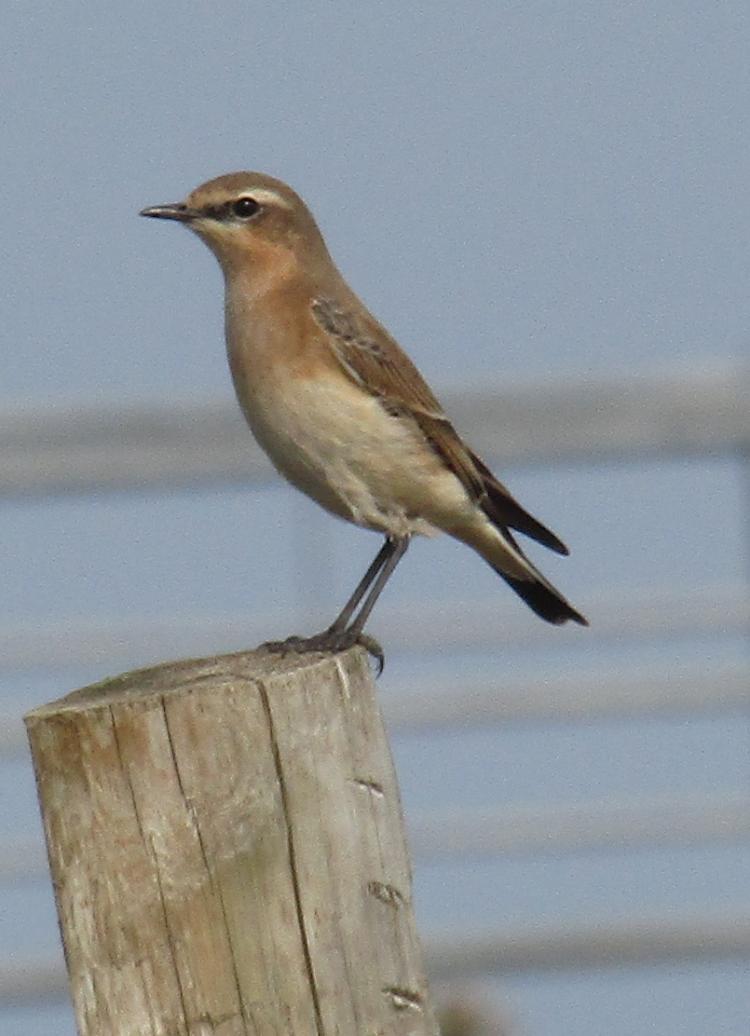
Due to the many steep gradients the Country Park does not have much scope for disabled access. There are 2 “Access for all” trails, one to the east and another to the west of Coastguard Lane. The reason for this post is to show that these trails do provide the possibility to see wildlife as these photos of two Wheatear perched on fence posts, taken earlier in the week, right beside the phase II trail to the west behind the Coastguard cottages demonstrate.

Fairlight Glen on a windy day

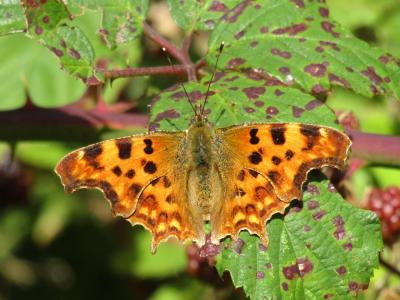
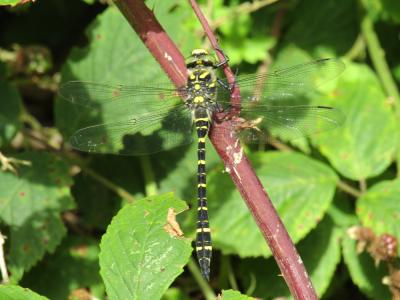
Arriving at the top of the western side of Warren Glen today, I decided to go round the top of Fairlight Glen rather than go up Brakey Bank and was treated to the sight of the most Comma butterflies that I have seen in one day for a long time. I also saw 2 more Golden Ringed dragonflies and wonder why I have not seen them at the Country Park before. Got a better photo this time too, the classic view showing the outspread wings, this one is a male. Good to get some records for Fairlight Glen too.

A visit from the Galatea

Ok, not actually in the Country Park but the Trinity House vessel Galatea has been visible offshore from the Country Park for a few days now. She was working at the Royal Sovereign light tower but today moved round to a position a little over 3 miles off Fairlight. Her duties include the maintenance and installation of navigational buoys, surveying and wreck marking for Trinity House and is also available for hire. She is equipped with a 30 tonne crane, a helicopter pad and carries a high speed work boat.

Today, Sunday 23rd, she is at the Rye Fairway Buoy which is about 3 miles out from Rye Harbour where cargo ships going into Rye anchor and wait for the pilot boat. A fairway buoy is a safe water mark and in this case marks the centre of the approach channel into Rye Harbour. The buoy seen on the stern of the Galatea in the photo, furthest from the stern and taller than the other 2 is a fairway buoy.

Saxon Pond Moorhen

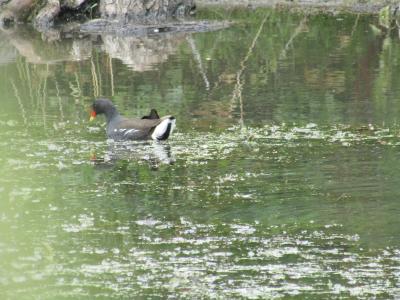
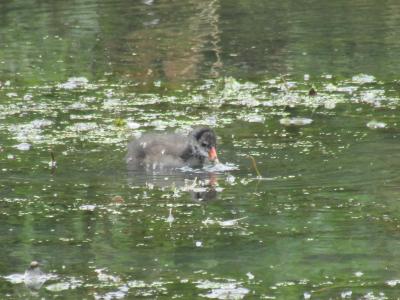
For some time now a pair of Moorhen have been breeding on Saxon Pond and this year they have had a second brood. I have not seen that previously. Another justification of all the hard work we put in there to open up the pond and breathe some life back into it. Plenty of dragonflies there too, compared to just 2 on Barn pond which is now badly choked up with the invasive alien plant, Parrot’s Feather. There are only 2 small clear patches of water, one where peoples dogs go in the water and another on the opposite side that fishermen have cleared.

One of the adult Moorhen:-

A first brood juvenile:-

A chick from the second brood:-

Another new bridge in Ecclesbourne Glen

A busy day today at Ecclesbourne today. Seeing 2 ESCC rights of way Land Rovers driving out I decided to go and see if I could see what they had been up to and was walking round the top of Ecclesbourne Meadow and saw 2 more 4×4’s, these belonging to the Coastguards, no doubt someone has again foolishly tried to climb the cliff and got themselves stuck (edit. a Staffie had gone over the cliff and needed rescuing, thanks Taughtus).

Another set of wheel-marks led down into the glen and going down and along the first path on the left I found this nice new bridge.

I wonder why the previous one has been replaced as it was not that old and was perfectly serviceable the last time I used it. Just needs someone now to deal with the large oak branch that is broken off and hanging over the path a bit further on. Final photo for this post is of a number of Common Red Soldier beetles on Wild Carrot, one of the plants that are now growing in the “scallops” that we cut into the blackthorn scrub surrounding Ecclesbourne Meadow.