Saxon Pond Moorhen

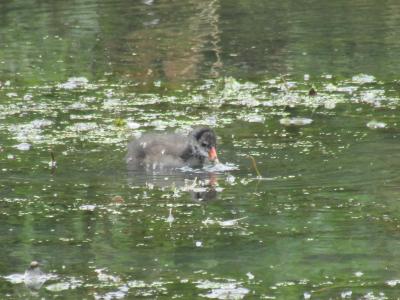
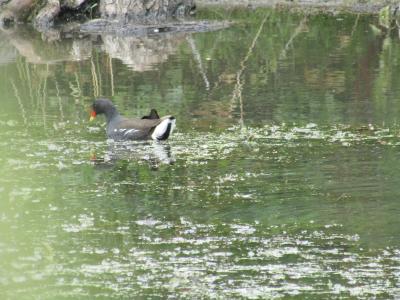
For some time now a pair of Moorhen have been breeding on Saxon Pond and this year they have had a second brood. I have not seen that previously. Another justification of all the hard work we put in there to open up the pond and breathe some life back into it. Plenty of dragonflies there too, compared to just 2 on Barn pond which is now badly choked up with the invasive alien plant, Parrot’s Feather. There are only 2 small clear patches of water, one where peoples dogs go in the water and another on the opposite side that fishermen have cleared.

One of the adult Moorhen:-
A first brood juvenile:-

A chick from the second brood:-
Chicken in Warren Wood at the Country Park?

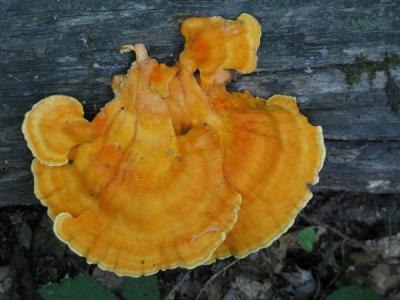
Walking down through Warren Wood yesterday I could see something bright orange in the distance and my obvious first thought was that it must be an item of litter or lost clothing but as I got closer I saw that it was actually a large bracket fungus on a log at the side of the  path. Not having a book on fungi, I used the power of Google and am pretty sure that it is one called Chicken of the Woods. This fungus is said to be edible and some say that it does taste of chicken, hence it’s name, yet others liken it’s taste to crab or lobster. However, be aware that depending on the type of wood on which it is growing it may contain toxins that will make you sick. My advice would therefore be to leave it where it grows and just admire it’s mere gaudiness and leave it there for others to do the same. Fungi are a very specialised subject and many species cannot be identified without microscopic examination by an expert.

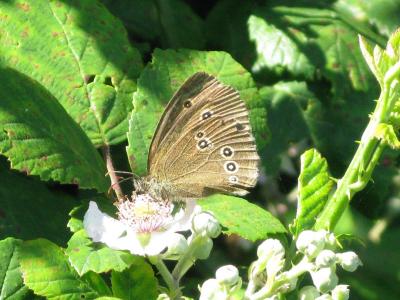
On Monday also in Warren Glen I finally saw a Ringlet butterfly, a species which despite being quite common and which I have seen plenty of in other places had up ’till then eluded me at the Country Park.

Butterfly season at the Country Park

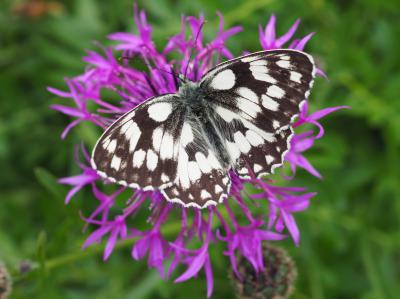
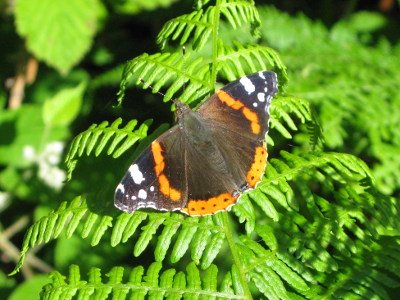
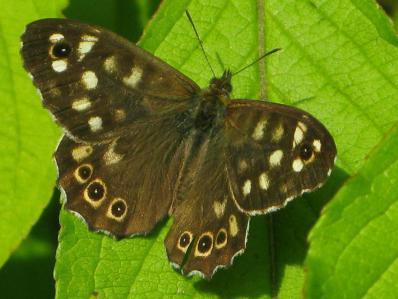
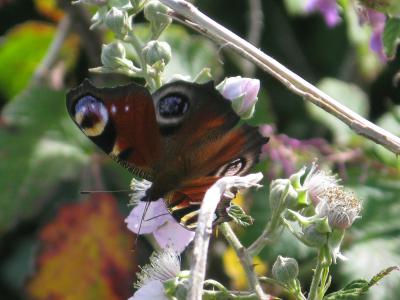
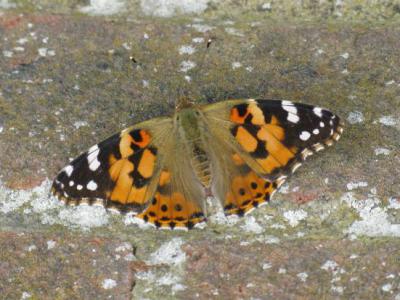
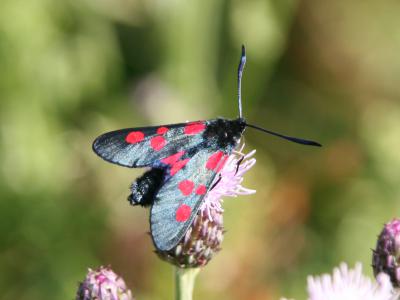
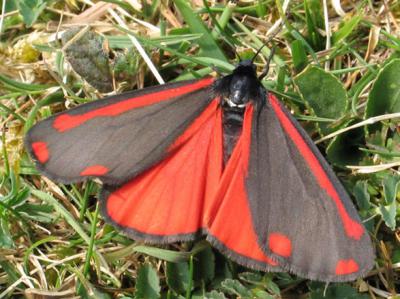
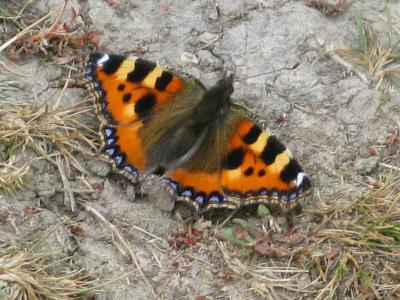
Now is a very good time to see butterflies at the Country Park. A large range of species are currently on the wing including Marbled White which I have previously not recorded at the Country Park. Others recently spotted include, Red Admiral, Small Tortoiseshell, Speckled Wood, Peacock, Painted Lady, Essex Skipper, Small Skipper, Large Skipper, Gatekeeper, Comma and Meadow Brown. You may also see 5 and 6 Spot Burnet and Cinnabar moths which fly during the day.

If you are unfamiliar with any of these I hope the photos below may be of assistance. I have yet to photograph a Marbled White, the one below is courtesy of Taughtus, thanks.

Marbled White


Red Admiral

Small Tortoiseshell

Speckled Wood

Peacock

Painted Lady

Essex Skipper

Small Skipper

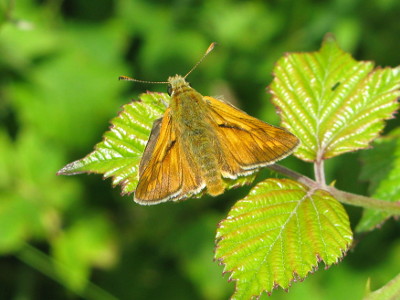
Large Skipper

Gatekeeper

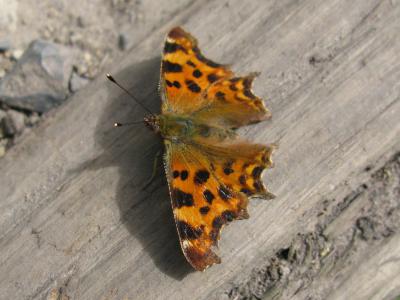
Comma

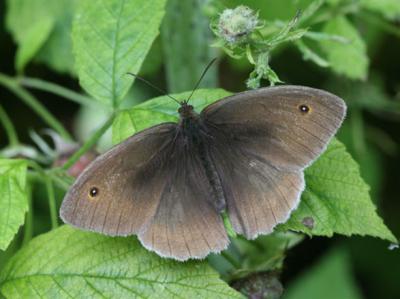
Meadow Brown

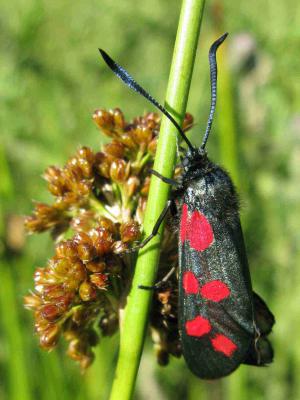
Six Spot Burnet

Five Spot Burnet

Cinnabar


A new Dragonfly record for the Country Park?

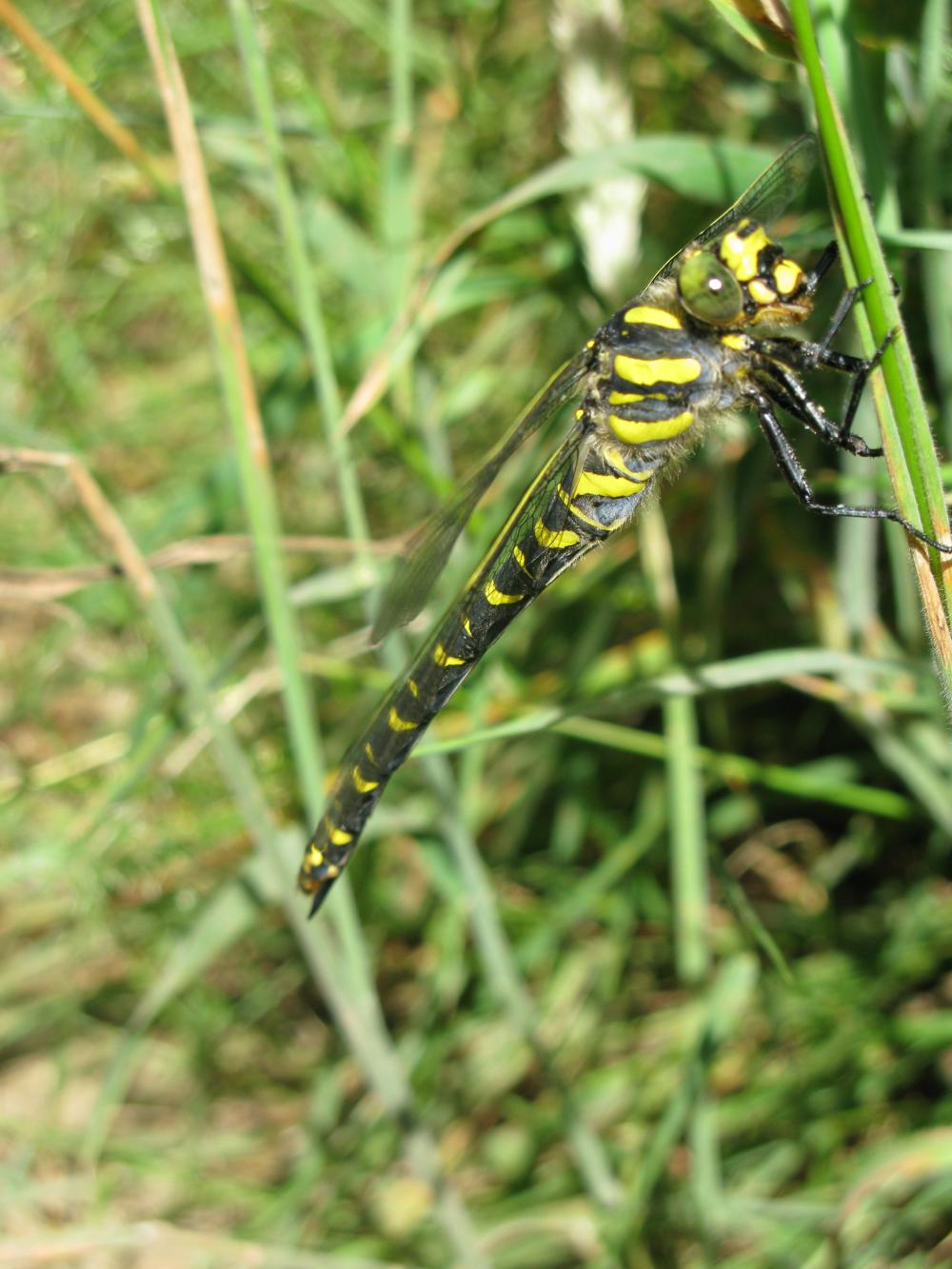
Taking the rather overgrown path from bollard 23 towards the Quarry today, I saw a very busy dragonfly flitting about here and there which given it’s size I assumed to be a Hawker and watched for some time hoping that it might land in range of my camera and as luck would have it, it did. Too busy trying to get a useable photo, I did not realise that I had not seen this one before ’till I looked at the photo. it is in fact a female Golden-ringed Dragonfly, a first for me and quite possibly a new record for the Country Park as I can find nothing on the National Biodiversity Network Atlas or the Biodiversity Records Centre’s recording site iRecord within the boundaries of the Country Park. This is a very striking Dragonfly with a jet black body and yellow markings.

Goldfinch food

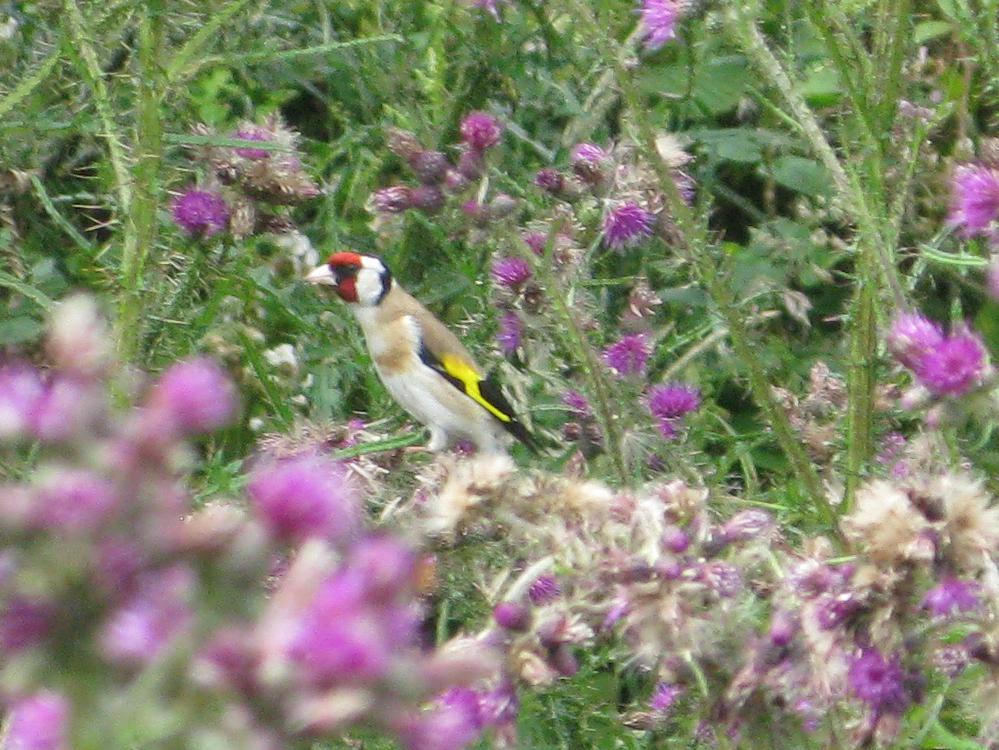
There were in excess of 10 Goldfinches feeding on Spear Thistle today in the Quarry. The thistles have established themselves since we cut back a sprawling willow and removed a lot of bramble back in 2015. This year the thistles are making a really nice show and the goldfinch presence demonstrates how worthwhile the work in the Quarry was. It looked very bare for a start but it is now all covered with many different plants giving a far greater diversity than before. Shame we were not allowed to continue. A small survey of the plants that are now growing in the areas that we cleared is being carried out this year and the results will be published here soon.

Flying today at the Country Park

Well the sunshine recently has been great but a little too warm for walking very far, so today the easterly breeze made quite a welcome change.

My first dragonfly photo of the year has been a long time coming, I’ve seen a few but not at rest for a photo and here it is, a female Ruddy Darter, seen Warren Glen, west.

Next up is a Small Tortoiseshell butterfly which I have seen relatively few of this year, seen Warren Glen east.

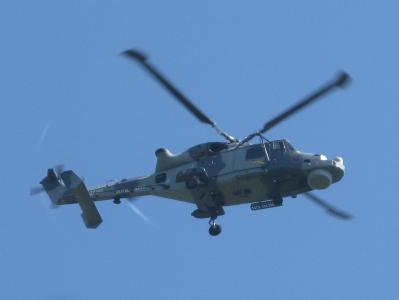
Finally ZZ380, one of 2 Royal Navy Augusta Westland Wildcat helicopters that flew past Warren Glen close enough for a half decent photo. The Wildcat is apparently the replacement for the Lynx.

Mind where you tread.

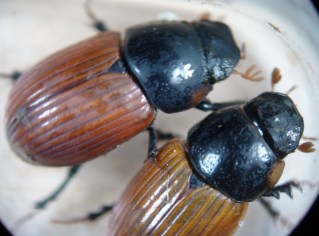
It is now two years since the Exmoor ponies arrived as residents of the CP, to be joined by the White Parks and then the Belted Galloways. It is easy to see the effect that their residency and grazing is having in various areas above Warren Glen, but a less visible benefit is doing remarkably well. The output from their grazing has provided a welcome opportunity for Dung Beetles to enrich the insect fauna of the CP. Initial investigations have identified ten species, which in their turn provide a great amount of food for bats and birds and also work the soil and enrich it as manure is buried. Species found thus far are: Aphodius fimetarius, Aphodius fossor, Aphodius haemorrhoidalis, Aphodius rufipes, Aphodius rufus, Cercyon haemorrhoidalis, Cercyon pygmaeus, Hister unicolor, Onthophagus medius, Onthophagus similis, Sphaeridium scarabaeoides – alas no common names as their study is not exactly a mainstream pastime. Reference to the National Biodiversity Network database would suggest that most of these species are new to the CP and several seem to be new to the county.

Aphodius fimetariusOnthophagus medius

Antediluvian?

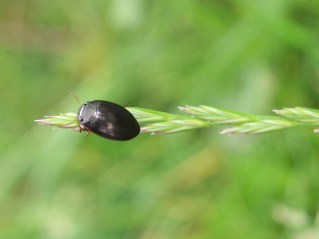
A quiet day in the VC affords ample opportunity to look around outside and observe the richness of flora and fauna that can be found close to the car park. Past forays looking deeply into the vegetation have found some unexpected insects and a few identification challenges. Last Friday, in between the thunder and lightning and torrential rain, an inspection of the long grass between the VC and Grey Owl’s monument produced an unexpected delight – a Diving Beetle (Agabus bipustulatus). It may be a common and widespread species, but one would expect to find it by water, not on a grass stem next to a car park.

Diving Beetle Agabus bipustulatusDiving Beetle Agabus bipustulatus

Lurking in the undergrowth

Whilst enjoying the glorious open spaces that are available around the Country Park, we notice various elements of the natural world whether it be clouds, birds, flowers or mud. Frequently we might notice a ladybird rampaging through the undergrowth, and become aware of the different species of ladybird that are waiting to be found. But perhaps we don’t know that these are various species of conspicuous ladybird. There are also a number of species of inconspicuous ladybirds that are seen less frequently and less easily. These tend to be very small, between 1.3mm and 3mm long, and covered in short hair rendering them dull, and either brown or black in colour. As if that combination of size and colour didn’t make finding them challenging enough, some of them live in long grass, or in ivy. It will come as no surprise that there are significantly fewer records of inconspicuous ladybirds compared to their bright and colourful relatives. If you rummage around in the long grass opposite the visitor centre there is a fair chance you will come across one of these ladybirds Rhyzobius litura, a species that is widespread around the UK but seldom noticed.

Rhyzobius litura

North’s Seat (part two)

A visit to North’s Seat proved a delight after recent conservation works by the Volunteers Conservation Group. The improved environment they had created enabled easy appreciation of the smaller wildlife that this site has in abundance. A Hawthorn Leaf Beetle (upper picure) and a 10-spot Ladybird, plus four different species of Weevil were all found in a short time within this site. Identification of weevils isn’t easy and two of the species have yet to be confirmed, but there were plenty of Gorse Weevils and Pea Weevils. One of the remaining two is thought to be Anthonomus pedicularius (lower picture, no common name).                  Hawthorn Leaf Beetle  Lochmaea crataegiAnthonomus pedicularius?