A Wasp on the Firehills.

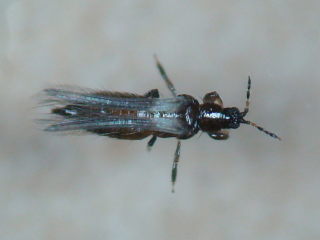
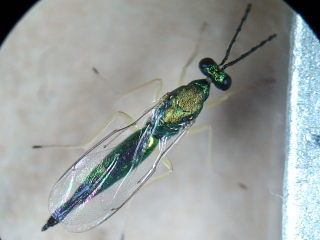
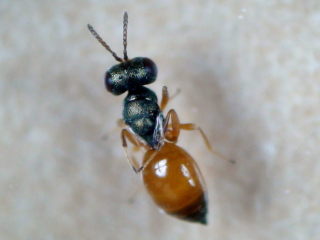
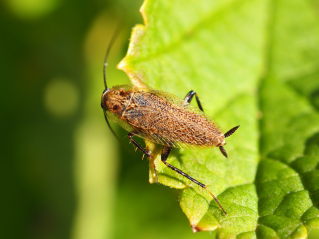
Removal of blocks of single-age gorse on the Firehills has created significant areas of new habitat, and it is interesting to observe colonisation of this new habitat. The past couple of weeks has seen the cut and removal of two year’s growth, and has left a short stubble of gorse and grass. A survey of this seemingly unwelcoming habitat found a most distinctive wasp. It was one of the parasitic wasps that tend to be parasitoids of gall-forming insects or mites. Identification proved a challenge, but we can now relish the thought that Sympiesis dolichogaster has been found in the Country Park. That might not seem too exciting at first reading, but the only other UK record was on the Isles of Scilly, hence it appears to be the first mainland UK record.


Sympiesis dolichogaster

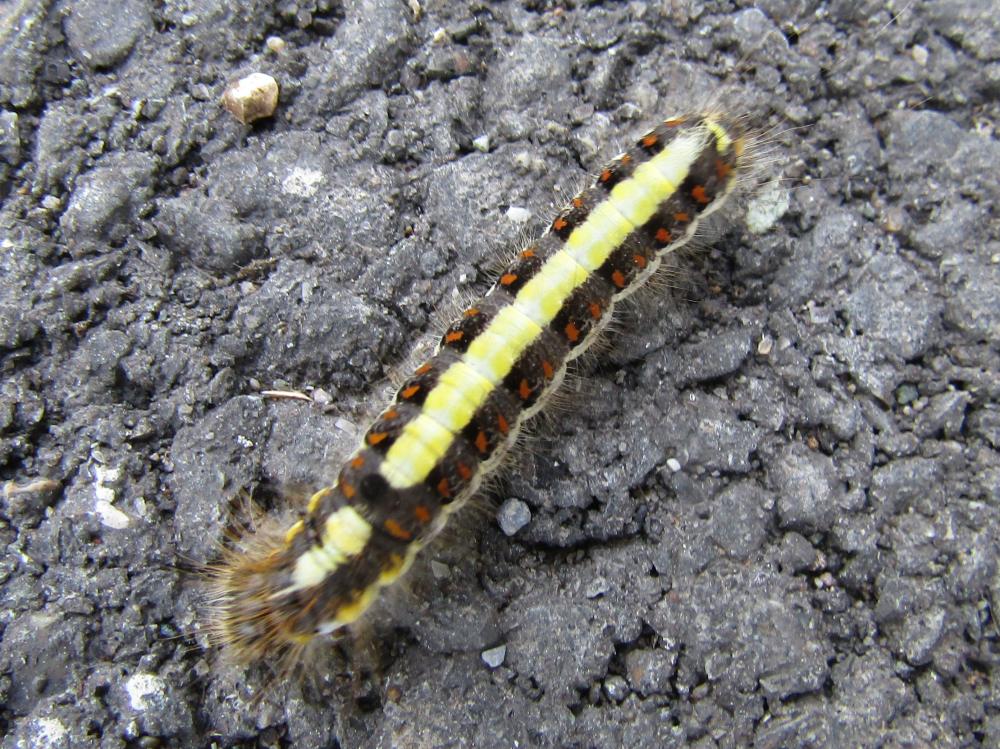
Is this a dagger I see before me?

Well last Friday, yes it was, a Grey Dagger in fact. As an adult moth I would have struggled to identify it as it is extremely similar to the Dark Dagger and I would have most likely got it wrong. Fortunately the caterpillars are easier and I have to say more interesting with their bright colours. The adult moth’s flight season is in June, so this caterpillar has hatched from this years eggs and will overwinter in it’s pupal state (chrysalis) to emerge as an adult next year. Of all places it was making it’s way down Coastguard Lane! Not sure if this is a first for the Country Park but the NBN Atlas shows well over 15,000 records for this species but none in the Country Park.

Saying goodbye to our summer visitors

Having become used to the sight of Stonechat on the Firehills, I nearly missed this one, the very similar looking Whinchat that has come to the coast ready for it’s autumn migration to spend the winter in Africa. Many other species of birds will also be seen arriving around now at the Country Park, embarking on similar journeys.

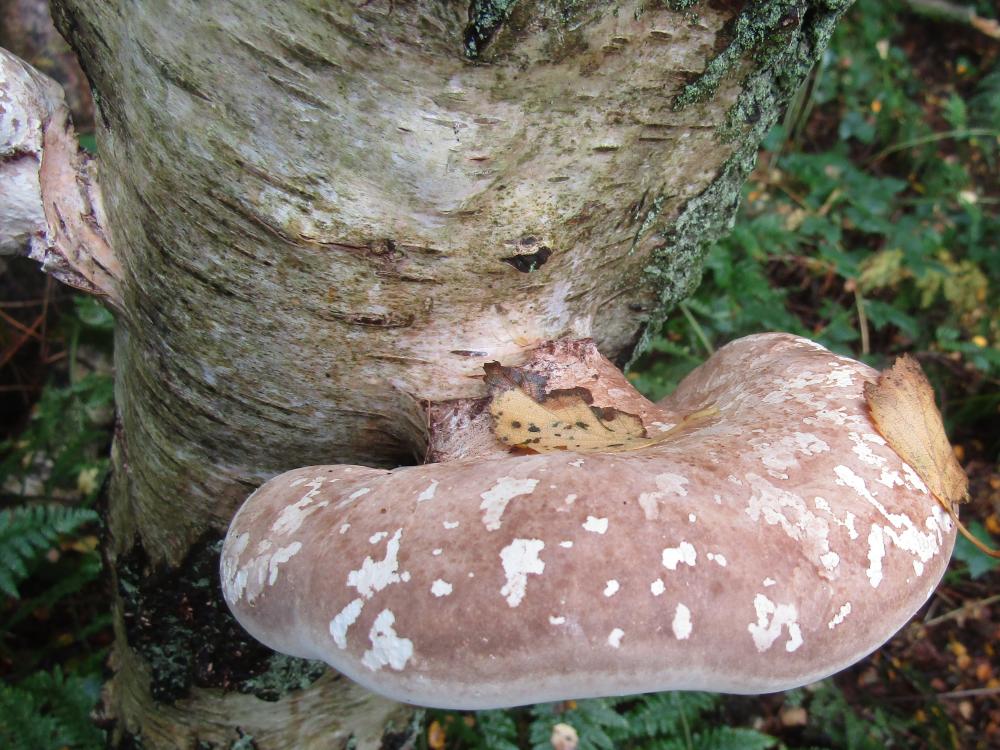
Birch Polypore

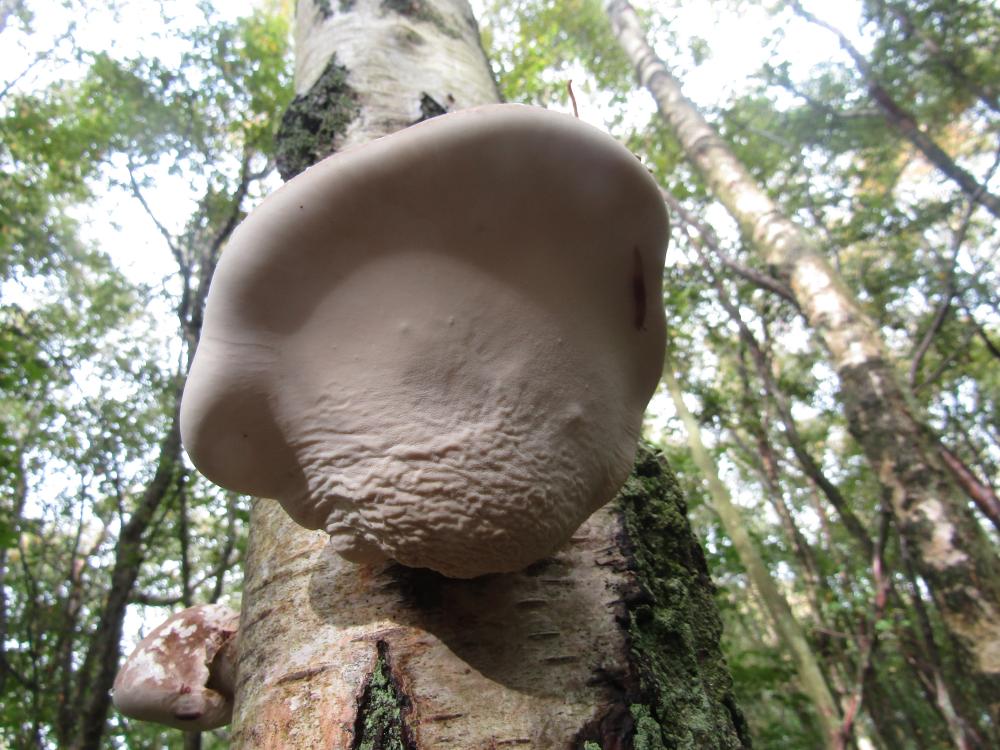
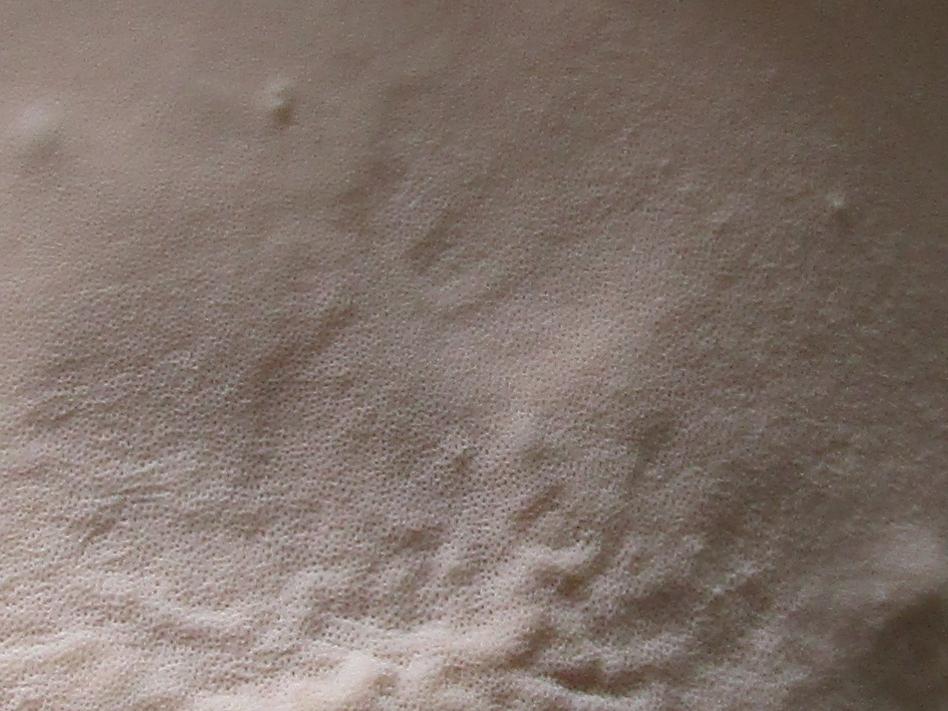
I first spotted this fungus probably about a couple of weeks ago, just emerging from the bark of a dead birch in the “Plantation”. It was just a white sphere then but has now developed into something that I have been able to identify. A “bracket” fungus which has no stem (stipe) and whose spores come out of tiny pores (see bottom photo) unlike mushrooms where they come from gills under the cap. A lot of other fungi appearing  at the moment particularly on the cleared areas of the Firehills, so more to follow on this subject.

Cold War Wasp

Encountering the Cold War Bunker in the Country Park is often the start of many questions springing to mind. When was it operational, how many service personnel were stationed there, what is its layout, why did they knock down the guardhouse? Are just a few of the typical questions. One of the less frequently asked questions is “what species of wasp could that be?” A walk atop the bunker yesterday brought the discovery of a tiny wasp, less than 2mm long, but very beautiful with its distinctive colouration. Callitula pyrrhogaster is one of the flightless parasitic wasps and there are very few records of its presence. It is said to be a reasonably common species but almost no one bothers to identify this branch of wasps as they are so difficult. As a result this is another first for the Country Park and another first for Sussex.


Callitula pyrrhogaster

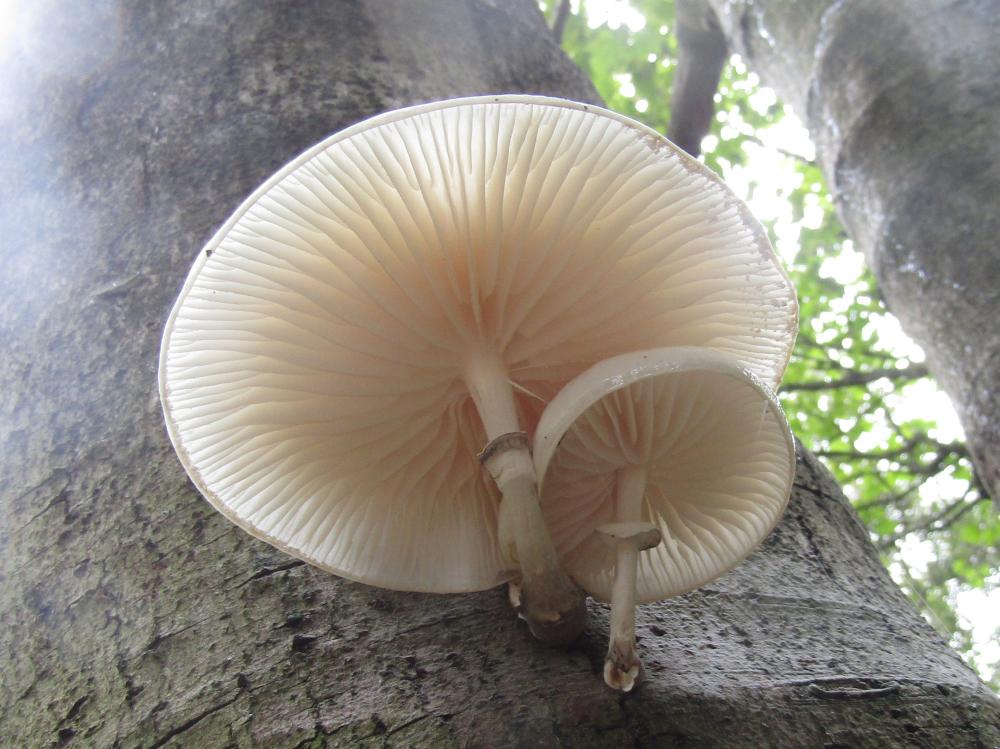
Porcelain fungus

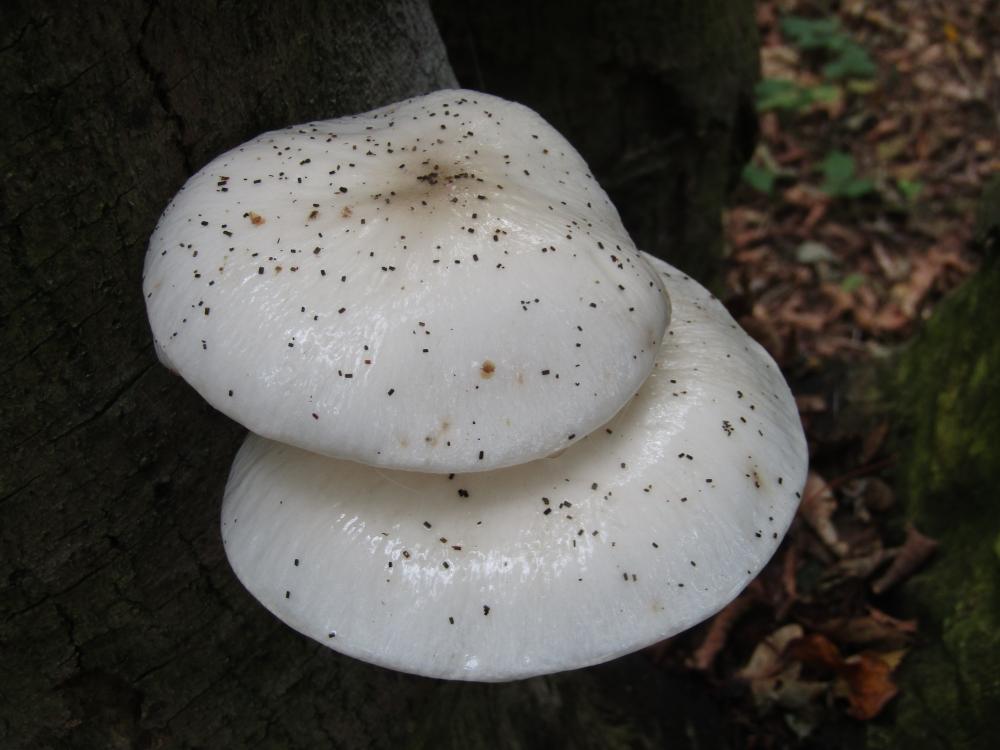
Having recently recorded some of the common and easily recognisable fungi that I have found in the Country Park, I came across this in the “Plantation”, the wood to the east of the Firehills. Using the key in a book I recently acquired I was able to get an identification quite quickly, much easier than looking at page after page of photos on the internet. It is Oudemansiella mucida and has the common name of Porcelain fungus which is rather apt. The dark spots are not part of the fungus but just little specks that have landed on the caps.

Beauty Contest?

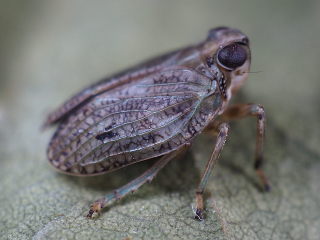
Ivy growing over the Visitor Centre provides an interesting habitat to study if you wish to monitor invertebrate life without wishing to go very far in the Country Park. One of the regular visitors that might be found over much of the year is a very strange looking creature. The Issid Hopper Issus coleoptratus is a relatively large hopper at approximately 6mm, but its shape and form make it seem considerably larger. The elytra are covered with a strong network of veins and there can be dark forms as well as the more common grey form. Its face is beyond description, beautifully ugly, unsettling yet endearing, definitely unforgettable. Its ability to jump is noteworthy. The jump does not come from its legs but from mechanical gears in the thorax. It is a very odd creature but always a pleasure to see.

Issus coleoptratus Issus coleoptratus

Another Lacebug

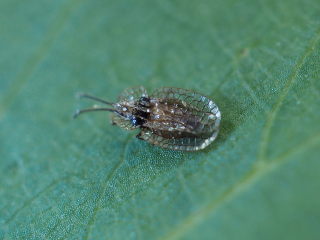
Removal of the blocks of single age gorse on the Firehills has created large areas of new habitat in the Country Park, and it is interesting to see which species are colonising this newly available area. One unexpected delight was a species of Lacebug Derephysia foliacea. It is quite a distinctive lacebug as it has a single row of large meshes around the outer rim of the forewing. It is almost transparent and very small, and hence difficult to find but definitely worth seeking.


Derephysia foliaceaDerephysia foliacea

Cockroach in the Country Park

Another species of insect that only gets reported in a bad light is the cockroach. If your initial reaction is to shudder you can thank decades of sensationalist news reports. The cockroach that can become a pest of commercial kitchens and factories is a non-native species and doesn’t live in open countryside. Most people are unaware that there are three native species of cockroach – all are small and scarce. In the Country Park we have the Lesser Cockroach Ectobius panzeri. It used to be found only in the quarry, and even there it was a rare find. Removal of gorse on the Firehills has made available a new area of habitat that is to the liking of the Lesser Cockroach. This summer it has been found on the Firehills on three occasions and is doing very well in the maritime heath environment. It is a small species, up to 10mm long, and a very fast runner.


Lesser Cockroach - Ectobius panzeri

Those Unseen Things

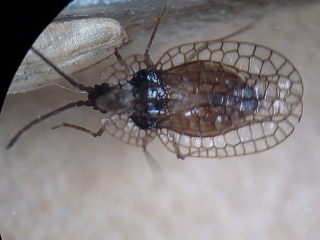
At the back of the quarry is an apple tree whose trunk is growing at a 45 degree angle, and it only gets noticed when in flower. If you care to look very closely you might be lucky enough to observe movement in the bark crevices. Flatbugs are aptly named insects whose bodies are very flat so as to enable them to move in the spaces beneath tree bark. There are seven UK species of flatbug, and one of them is thriving in the crevices of the quarry apple tree. Aradus depressus is difficult to see as it is perfectly coloured to blend against bark, but its form is similar to the spear-thistle lacebugs that also thrive in the quarry.


Aradus depressus