More Shieldbugs

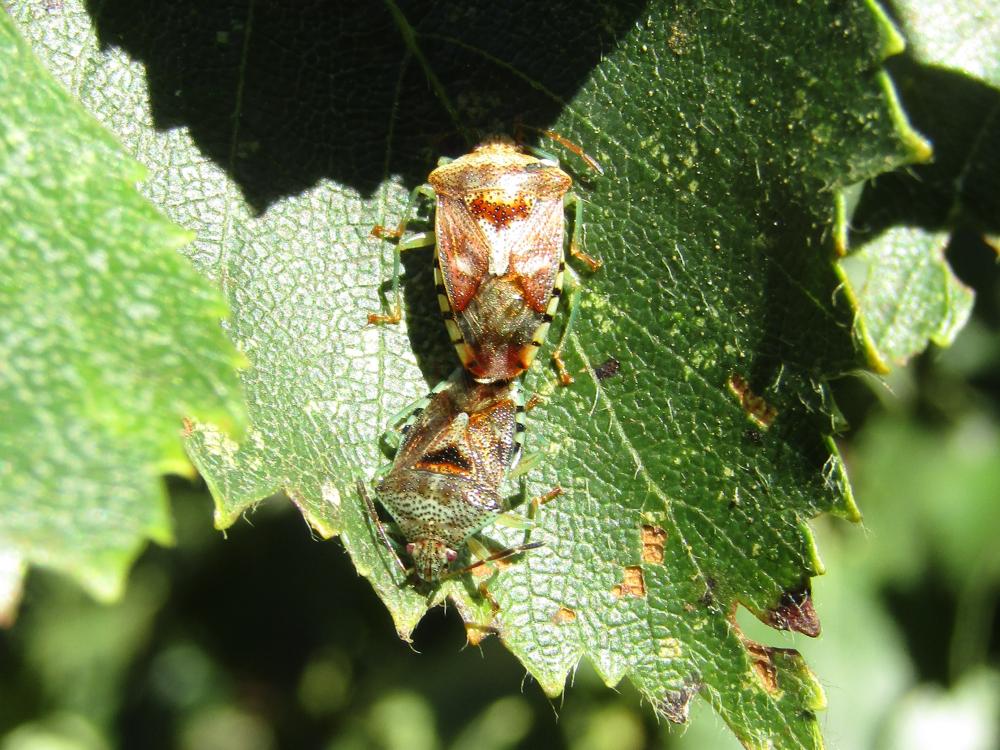
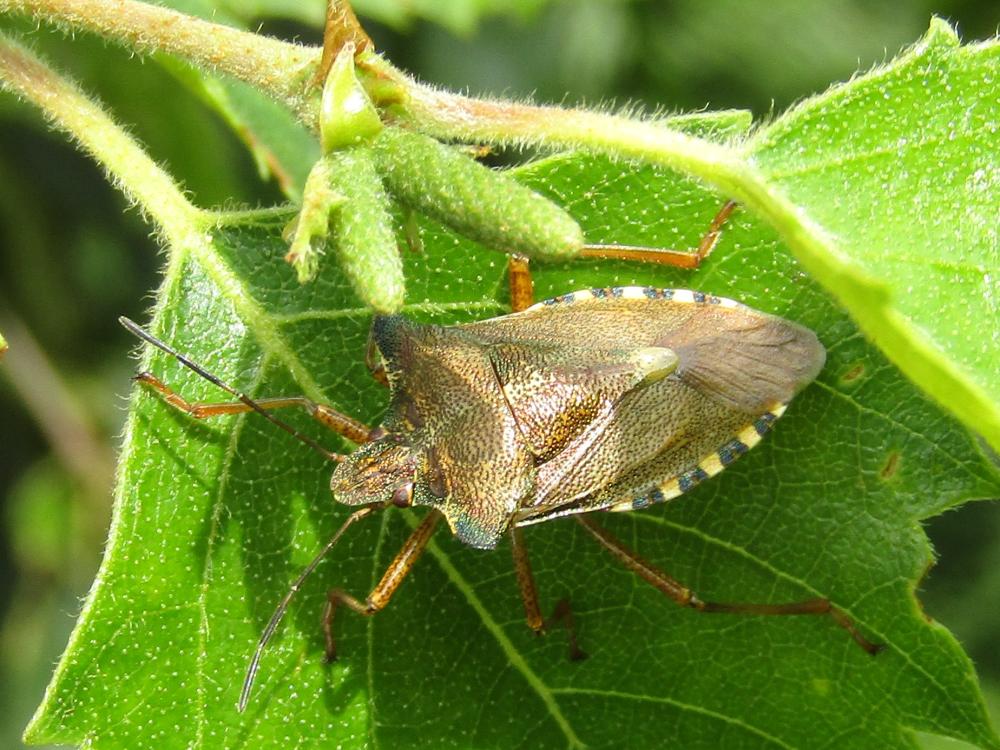
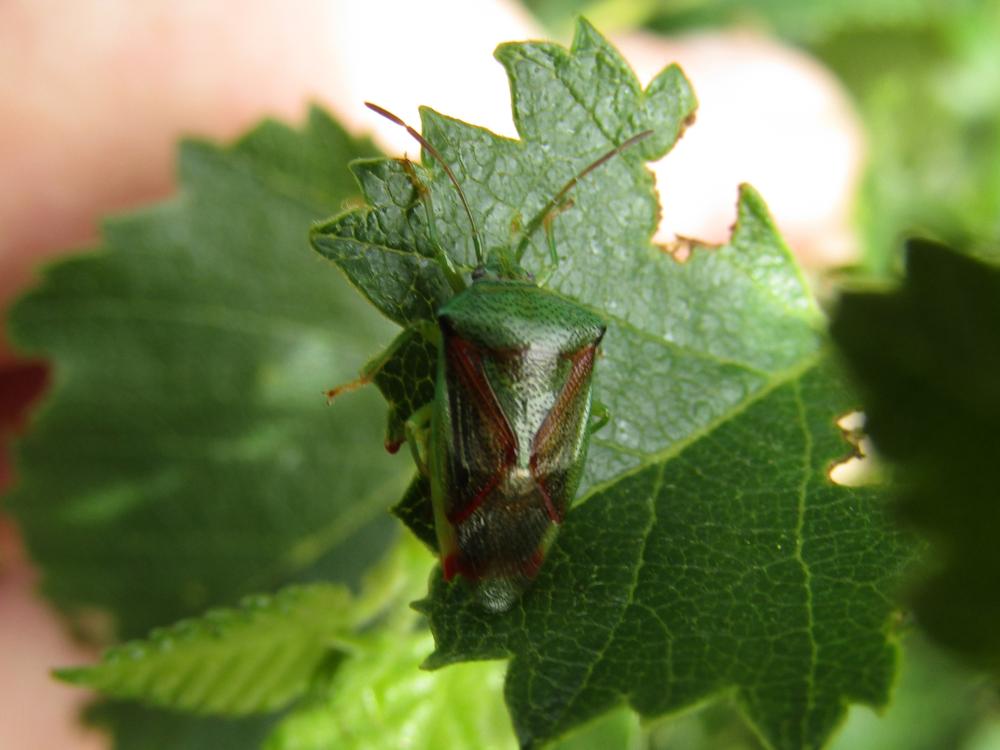
A couple of interesting photos today, the first is also a first for me as it is a teneral adult Birch Shieldbug. The teneral stage occurs when the final instar nymph moults into an adult and the exoskeleton has not yet hardened and it is very pale in colour. The first picture is the teneral and the second is a mature adult for comparison.

The third photo is of a pair of Parent Bugs mating  to produce what I understand to be a second brood at this time of year. I am told that the female mates with a different male to the one of the first brood.

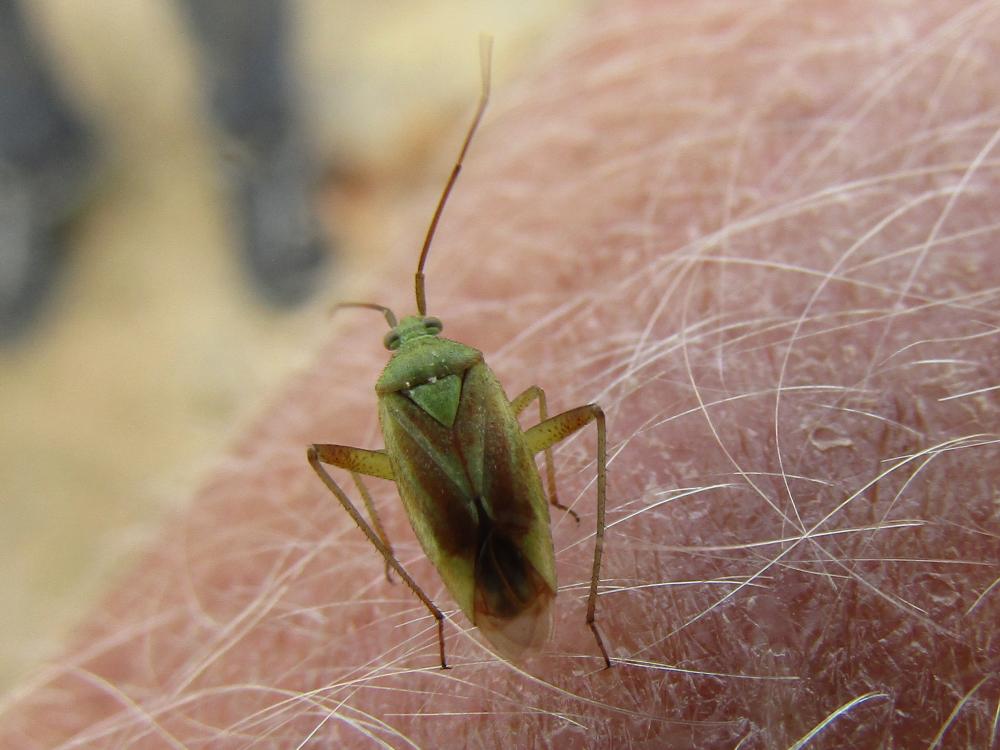
A long way from any potatoes

It seems that we have yet another new species record for the Country Park. Closterotomus norwegicus aka the Potato Capsid. This belongs to a large group of bugs collectively known as Mirid or Plant bugs and although it is called the Potato Capsid, the excellent British Bugs website tells us that it feeds on a wide range of plants, especially nettles, composites and clovers. Found yesterday on the Firehills not far from the radar.

Meet the Parents

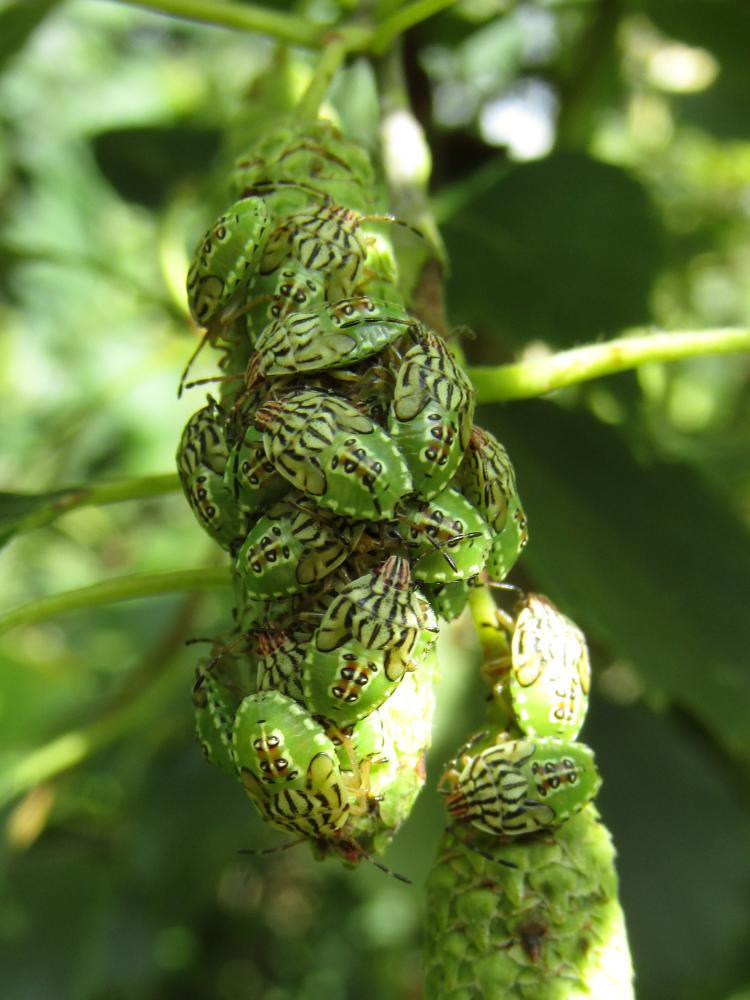
I have been keeping an eye on the birches where I first spotted the second instar nymphs and have managed to get a photo of final instar nymphs a week ago and today a number of adults. It seems that the adults photo is a little special as a couple of experienced recorders of shieldbugs have not seen adults crowded together thus on a leaf. I have only found one other similar photo on the internet so it would seem that not many people get to see this as the adults split up quickly it would seem and I am rather privileged to be one of those.

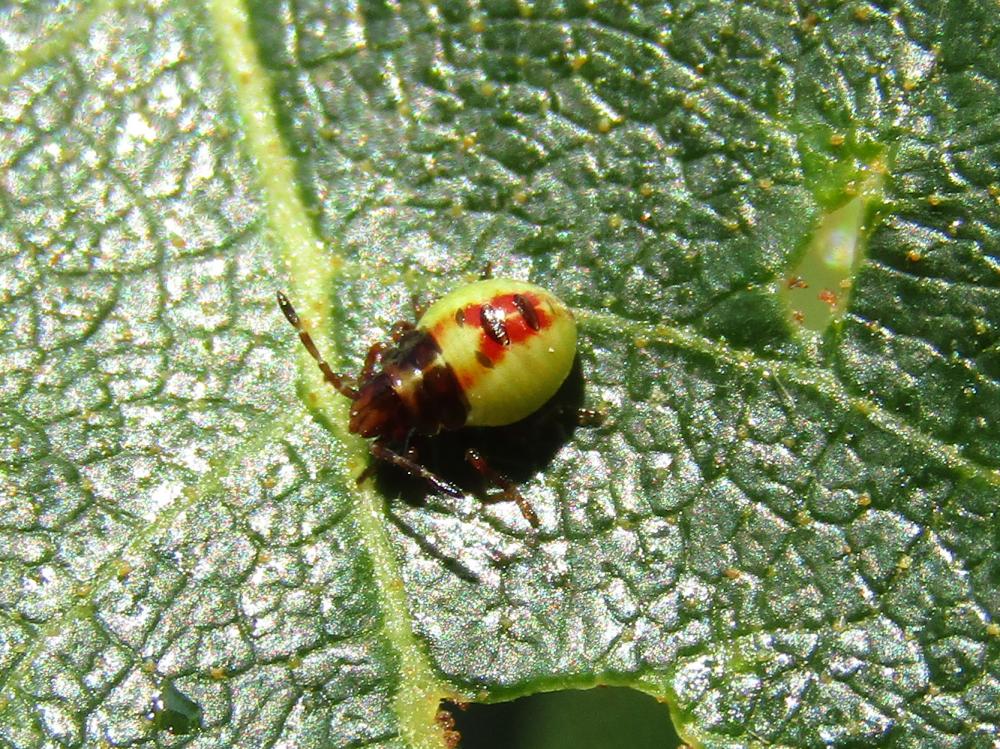
Also seen today 3rd and 4th instar Birch Shieldbug nymphs.

Parent Bugs, final instar

Adult Parent Bugs

Birch Shieldbug 3rd instar

Birch Shieldbug 4th instar

Update from my last post, Parent Bugs

Well, persistence as recommended to me has paid off and I have to thank Taughtus for that and all the help with shieldbug and other id’s! Accessible online records do not show any records for Parent Bug at the Country Park, so I’m presenting this as a new record for the Country Park, 35+, 2nd instar Parent Bug nymphs on a birch leaf on the Firehills. To put this in perspective, this is not considered a rare species, this just highlights the lack of co-ordinated monitoring on the largest nature reserve within the borough of Hastings. The records on this site are provided gratis and with no encouragement from Hastings Borough Council. I hope to return to the area at a later date to record an adult. Also found this morning, an adult Forest Bug, which I am told is the first record of an adult for the Country Park.

Is this a dagger I see before me?

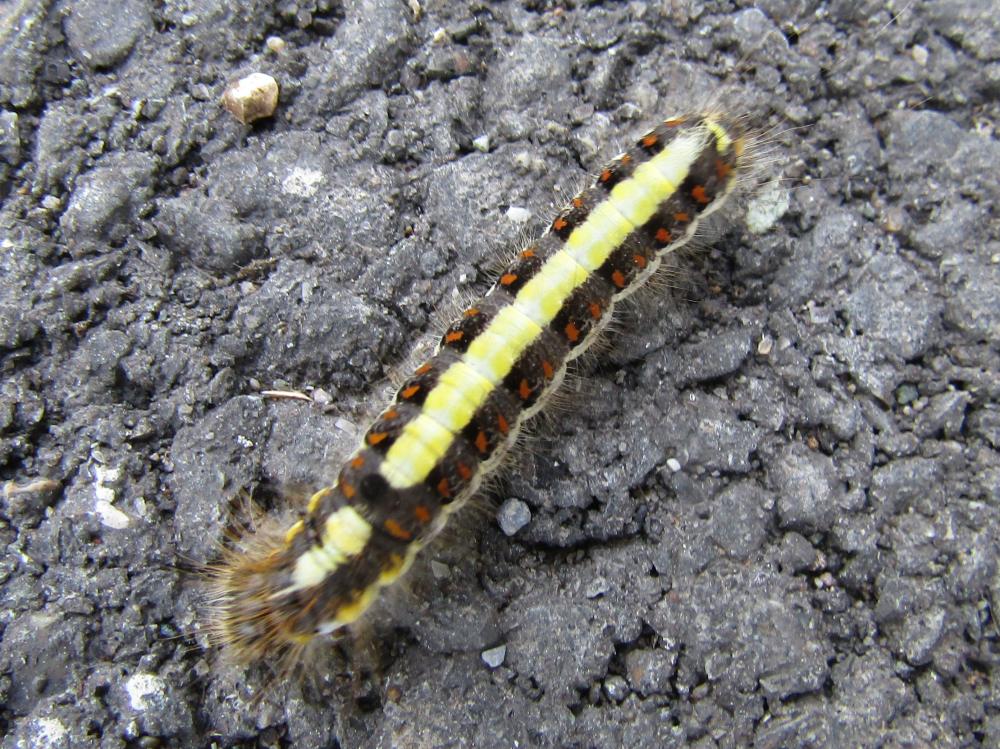
Well last Friday, yes it was, a Grey Dagger in fact. As an adult moth I would have struggled to identify it as it is extremely similar to the Dark Dagger and I would have most likely got it wrong. Fortunately the caterpillars are easier and I have to say more interesting with their bright colours. The adult moth’s flight season is in June, so this caterpillar has hatched from this years eggs and will overwinter in it’s pupal state (chrysalis) to emerge as an adult next year. Of all places it was making it’s way down Coastguard Lane! Not sure if this is a first for the Country Park but the NBN Atlas shows well over 15,000 records for this species but none in the Country Park.

Birch Polypore

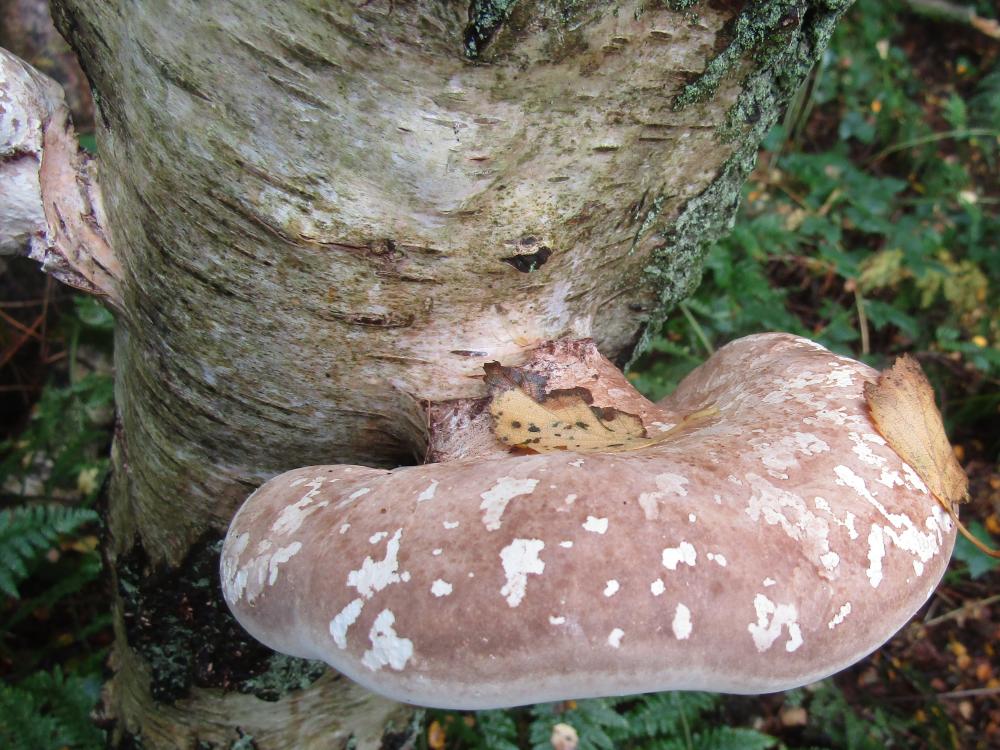
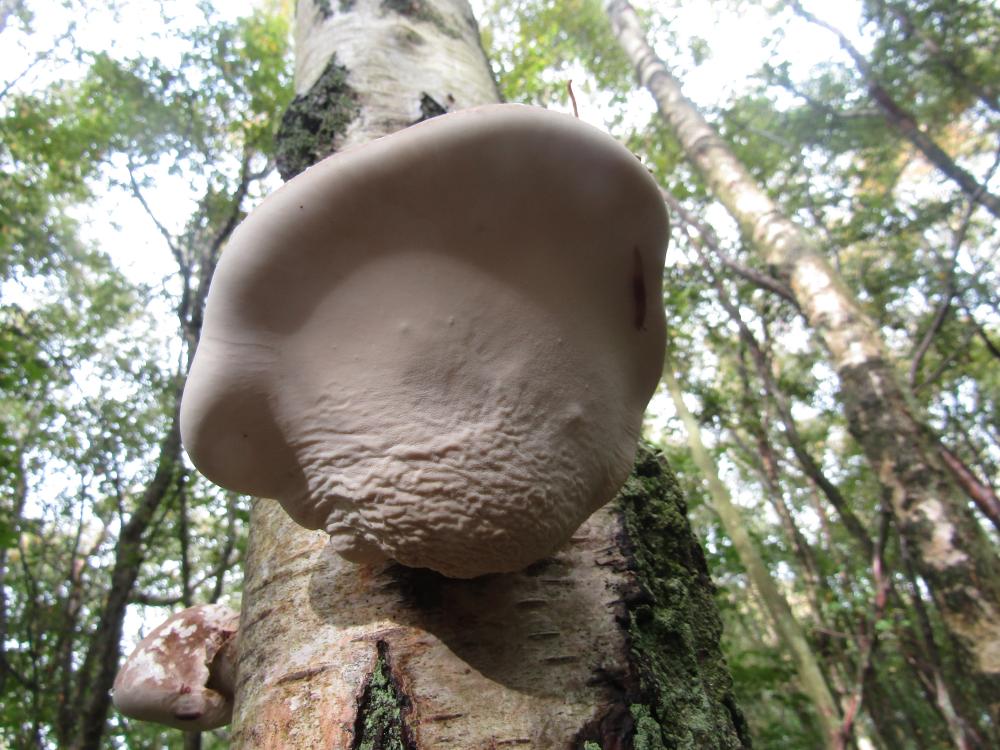
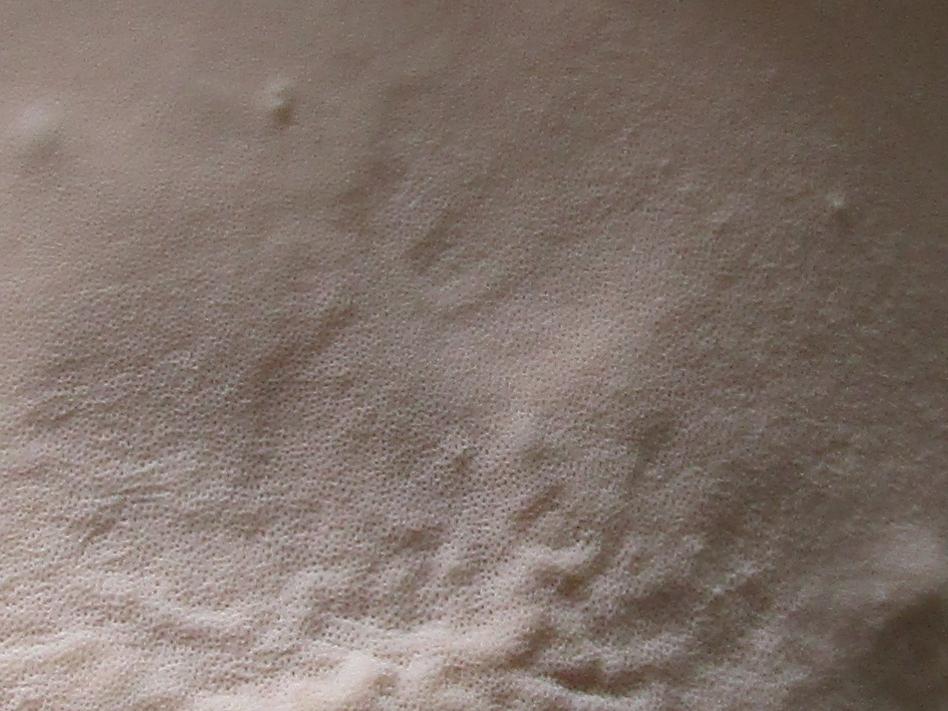
I first spotted this fungus probably about a couple of weeks ago, just emerging from the bark of a dead birch in the “Plantation”. It was just a white sphere then but has now developed into something that I have been able to identify. A “bracket” fungus which has no stem (stipe) and whose spores come out of tiny pores (see bottom photo) unlike mushrooms where they come from gills under the cap. A lot of other fungi appearing  at the moment particularly on the cleared areas of the Firehills, so more to follow on this subject.

Porcelain fungus

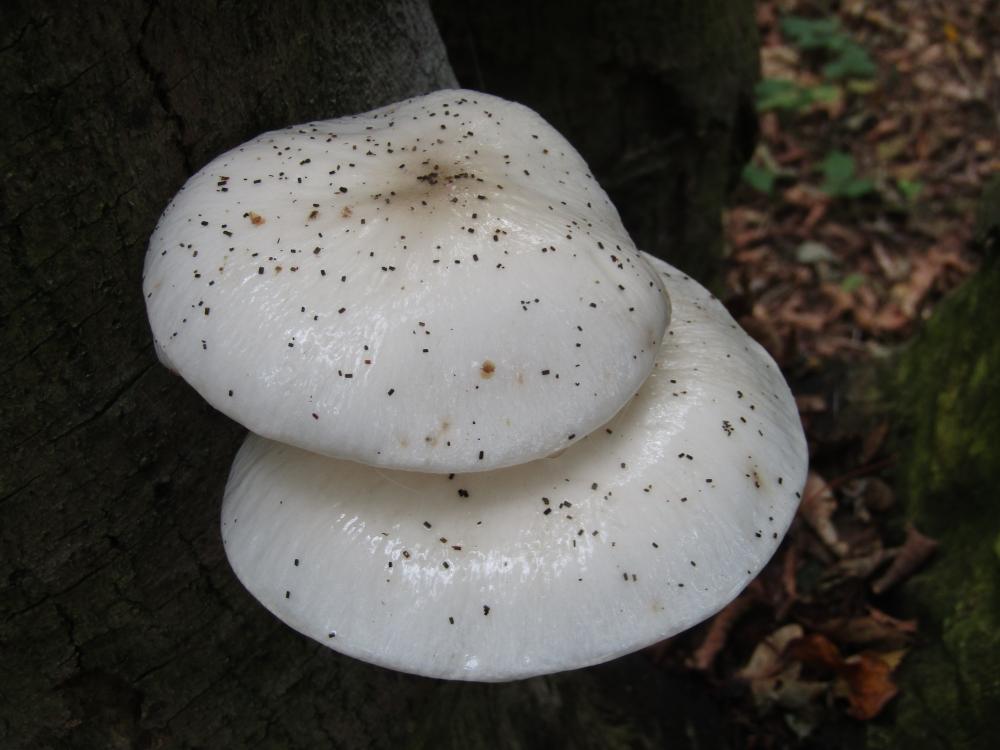
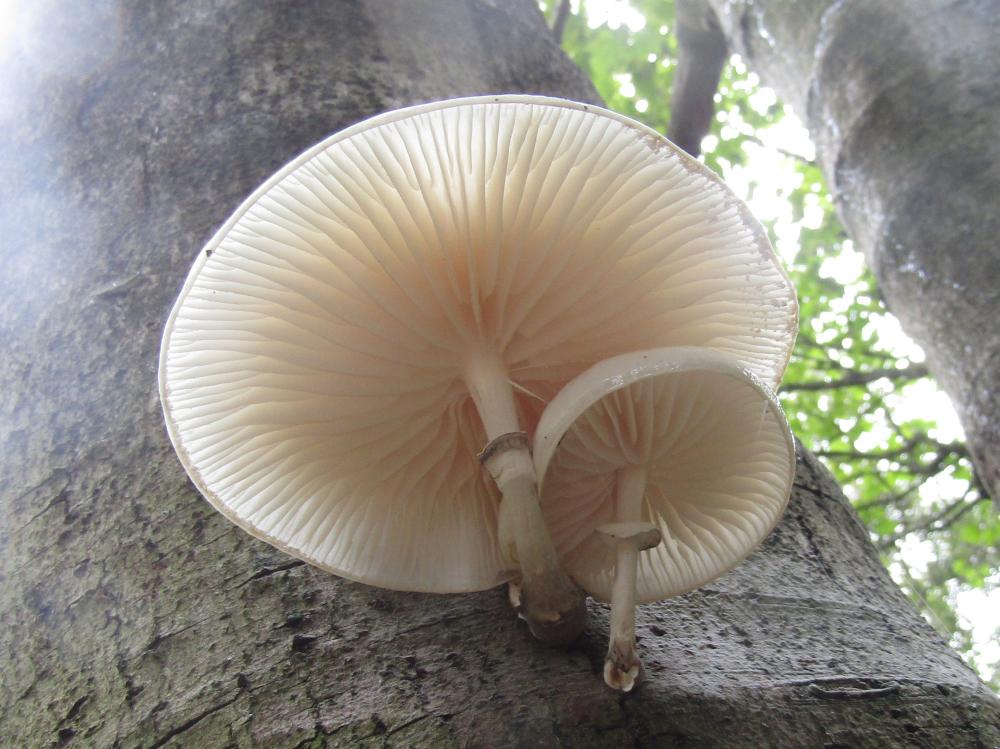
Having recently recorded some of the common and easily recognisable fungi that I have found in the Country Park, I came across this in the “Plantation”, the wood to the east of the Firehills. Using the key in a book I recently acquired I was able to get an identification quite quickly, much easier than looking at page after page of photos on the internet. It is Oudemansiella mucida and has the common name of Porcelain fungus which is rather apt. The dark spots are not part of the fungus but just little specks that have landed on the caps.

The sound of leather on willow?

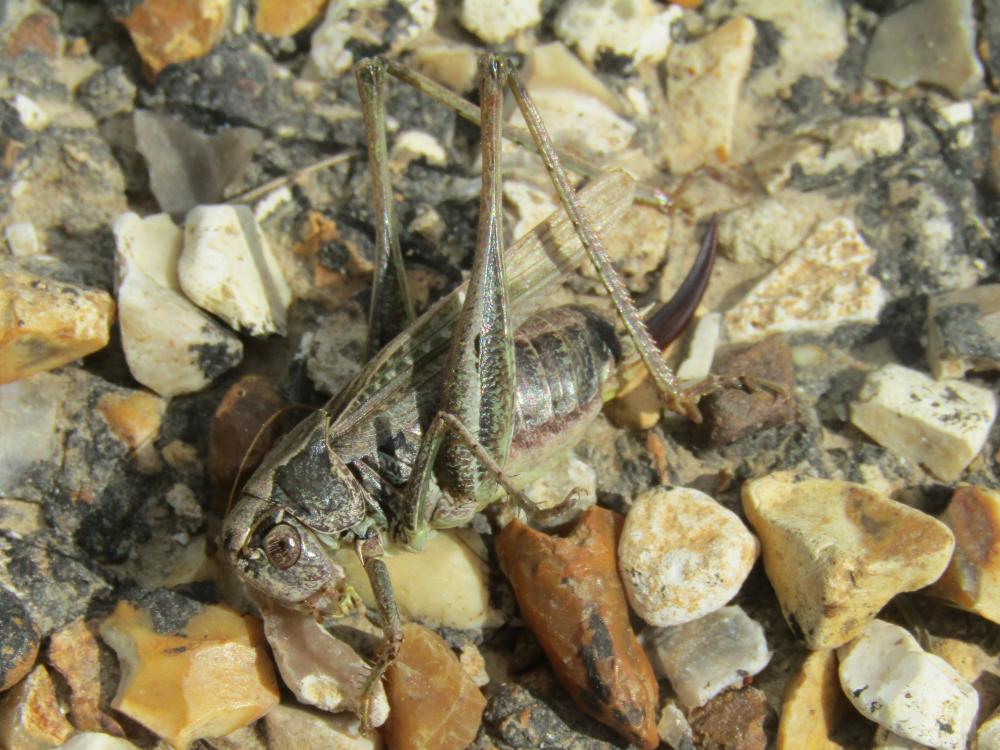
In a word, no but it is cricket. Having been seeing masses of Field Grasshoppers on the Firehills this year, I was beginning to wonder if I would ever see anything else when yesterday when this Grey Bush-cricket just jumped onto the access for all trail right in front of me. Not an easy one to identify but have submitted the record and had it verified. The species is said to be scarce, so a good record for the Country Park and is restricted to coastal areas on the south coast and some parts of Wales. This one is a female as can be seen by the upwards curved ovipositor behind the abdomen.

Access for all? Yes

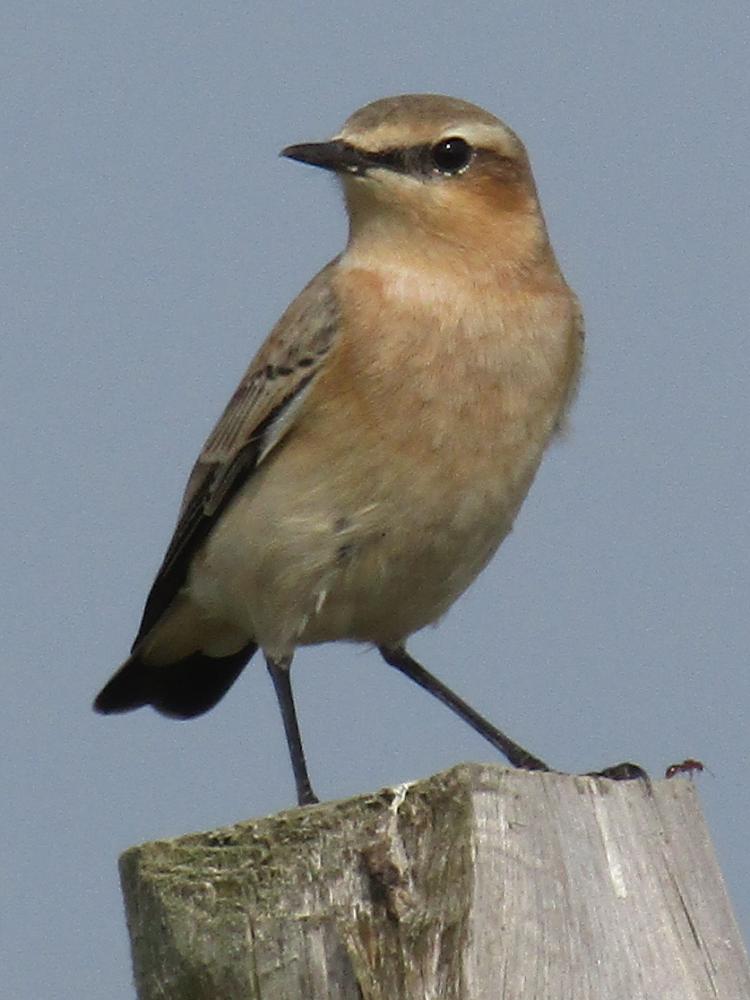
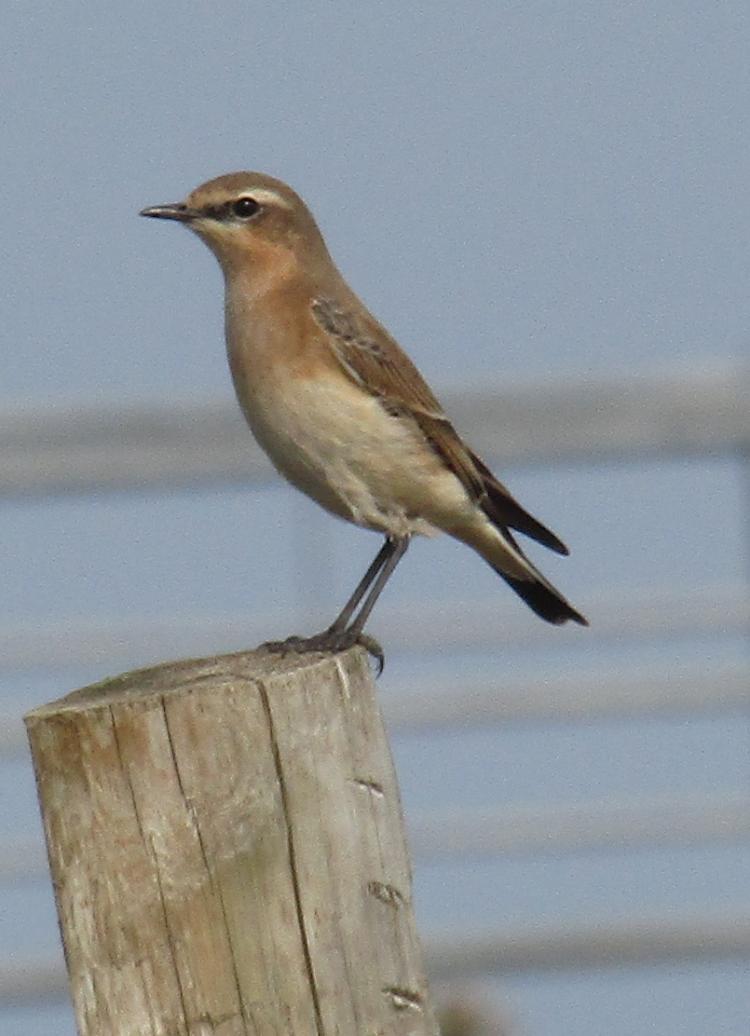
Due to the many steep gradients the Country Park does not have much scope for disabled access. There are 2 “Access for all” trails, one to the east and another to the west of Coastguard Lane. The reason for this post is to show that these trails do provide the possibility to see wildlife as these photos of two Wheatear perched on fence posts, taken earlier in the week, right beside the phase II trail to the west behind the Coastguard cottages demonstrate.

Fairlight Glen on a windy day

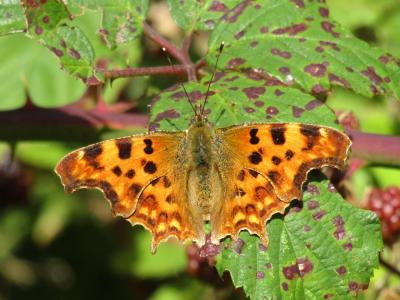
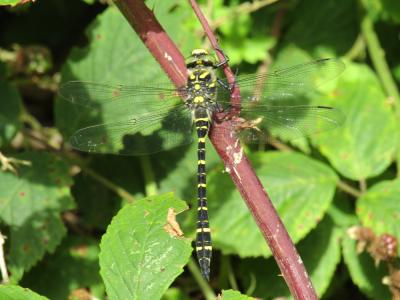
Arriving at the top of the western side of Warren Glen today, I decided to go round the top of Fairlight Glen rather than go up Brakey Bank and was treated to the sight of the most Comma butterflies that I have seen in one day for a long time. I also saw 2 more Golden Ringed dragonflies and wonder why I have not seen them at the Country Park before. Got a better photo this time too, the classic view showing the outspread wings, this one is a male. Good to get some records for Fairlight Glen too.